Everything you need to know about building an ADU. Get expert answers on permits, construction costs, financing options, and property value boosts. (The Ultimate ADU Guide: Costs Permits and FAQ)
What is an ADU, and does it qualify as permanent real estate?
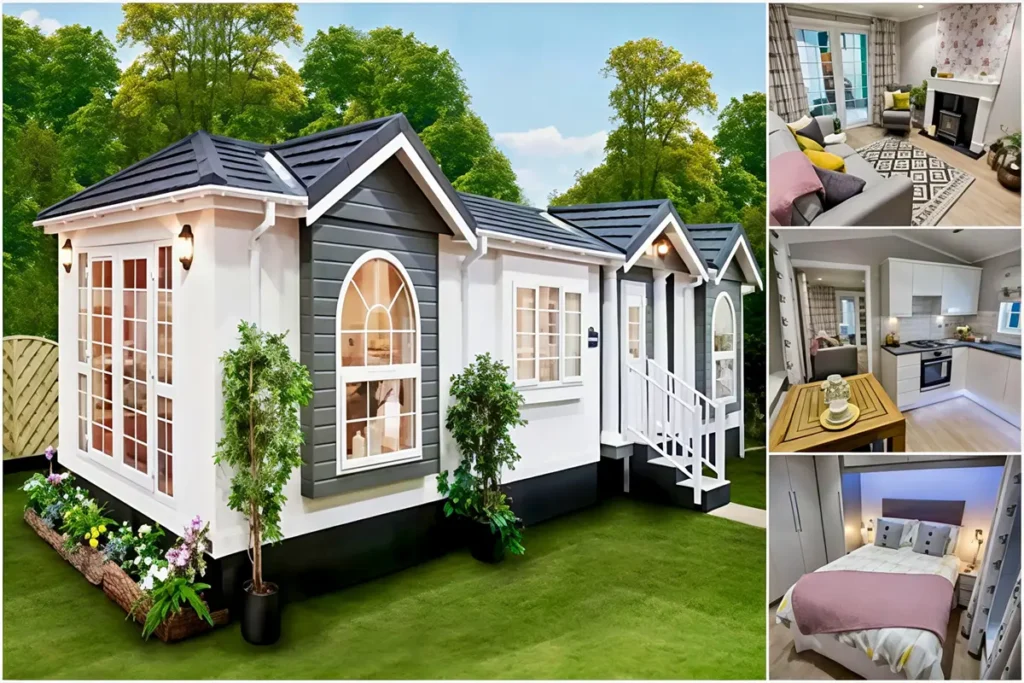
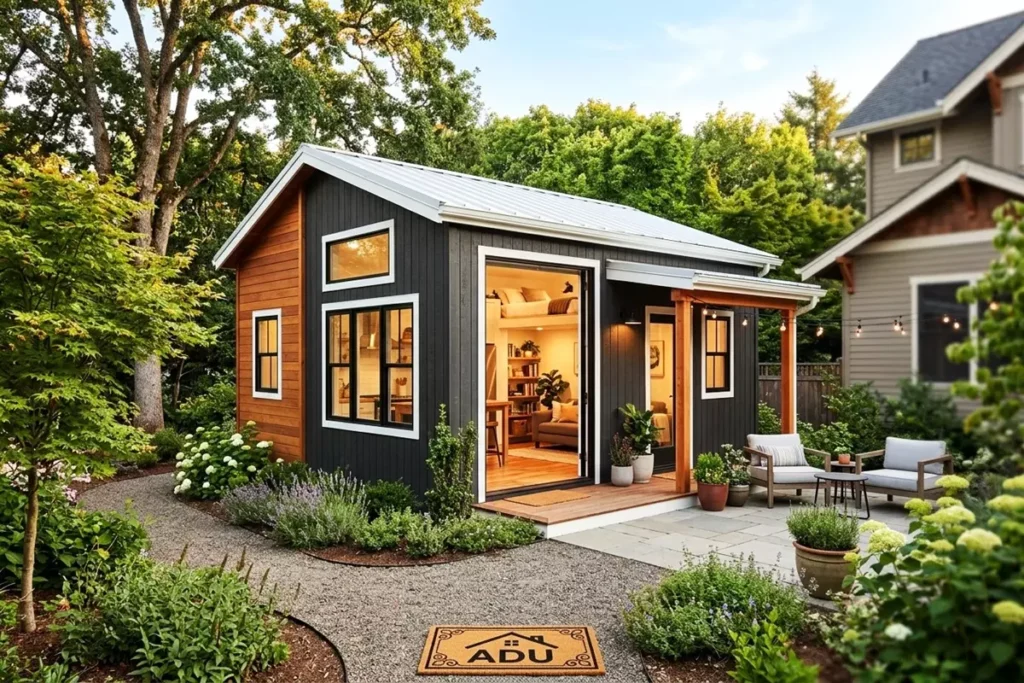
An Accessory Dwelling Unit (ADU) is a secondary residential structure built on the same lot as a primary single-family home. Unlike tiny houses on wheels (THOWs), an ADU is built on a permanent foundation, hooked up to municipal utilities, and recognized under local zoning codes as legal, permanent real estate.
How much value does adding an ADU actually add to my property?
While local markets vary, appraisal data shows an ADU generally increases total property value by 20% to 35%. Beyond immediate equity, it adds dual-revenue potential: long-term rental income or a multi-generational living space that saves on elder care or independent housing costs.
Can I build an ADU using a prefab or modular setup to save money?
Yes. Prefabricated and modular ADUs are built off-site and assembled on your property, which cuts construction timelines by up to 50% and reduces labor costs. However, site preparation, utility connections, and foundation work still require local permits and standard contractor work.
What is the legal difference between a Detached ADU, Attached ADU, and Garage Conversion?
- Detached ADU: A completely separate structure in the yard, offering maximum privacy for renters or family.
- Attached ADU: An extension added directly to the main house, sharing at least one wall.
- Garage Conversion (JADU/ADU): Converting an existing garage into living space—typically the fastest and most cost-effective entry point.
Can I legally rent out an ADU on Airbnb or VRBO?
It depends entirely on local municipal codes. Many cities allow long-term leases (30+ days) with zero restrictions, but restrict short-term vacation rentals unless the property owner resides in the primary dwelling full-time. Always check local short-term rental (STR) ordinances before planning an Airbnb strategy.
How do homeowners typically finance an ADU build without cash?
Most homeowners leverage existing home equity through three main financial options:
- HELOC (Home Equity Line of Credit): Flexible borrowing against your home’s existing equity.
- Cash-Out Refinance: Replacing your primary mortgage with a larger loan and taking the difference in cash.
- Construction Loans: Specialized loans based on the future completed value of the property with the ADU.
What are the minimum and maximum size limits for an ADU?
Most US jurisdictions set minimum interior sizes around 150 to 220 square feet, while maximum limits generally cap out between 800 and 1,200 square feet (or up to 50% of the main house’s total living area). (The Ultimate ADU Guide: Costs Permits and FAQ)
How much does it cost to build an ADU in the US?
Average construction costs for an ADU range from $100,000 to $300,000, depending on the type: detached, attached, or garage conversion. (The Ultimate ADU Guide: Costs Permits and FAQ)

The Ultimate ADU Guide: Costs Permits and FAQ
Discover the ultimate ADU guide: construction costs, local permits, zoning laws, and financing tips to build your dream accessory dwelling.
Click here for more information about container homes.
We would be very happy if you share your new ideas with us.
Don’t forget to check out and share great ideas about DIY Sustainable Living Ideas Thanks!
»» Follow DIY Sustainable Living Ideas on social media to be informed about current posts ««
↓↓ Check Out Other Fascinating Trending Home Stories ↓↓
- From 12 Steel Boxes to a Luxury Dream Home: Incredible Before & After Shipping Container Transformation
- 5×100 Watt Exciting Off-Road Camping Trailer OPUS: Ultra-Durable Against Harsh Outdoor Conditions
- 60 Sqm Legendary Small Living Space: The Minimalist Lifestyle of the Future
- Modern 10×12 Tiny House Project: 1300 Sq Ft (120m2) Creative House Tour
- 50m2 Tru Form Urban Tiny House Model: Spacious and Airy Minimalist Living Ideas
↓↓↓ For More Content ↓↓↓
- 2 Bedroom Home Plans
- 2026 House Costs
- 20ft Container Homes
- 300 – 600 Sq Ft House Plans
- 40ft Container Homes
- 600 – 1000 Sq Ft House Plans
- A-Frame Cabins
- ADU Cost & Permits
- ADU FAQ
- ADU House Plans
- ADUs & Backyard Homes
- Attached & Detached ADU
- BLOG
- Cabins & A-Frames
- Container Home Cost
- Container Home FAQ
- Container Homes
- DIY GUIDE & COSTS
- DIY Step-by-Step
- FAQ
- House Plans & Layouts
- Loft & Two-Story Plans
- Log Cabins
- Modern Cottage
- Modern Tiny Houses
- Off-Grid Living
- Open Floor Plans
- Rental & Airbnb Layouts
- RVs & Camper Vans
- Tiny House FAQ
- Tiny House Interior Ideas
- Tiny Houses & THOW
- Tiny Houses on Wheels (THOW)
- Tree Houses
- Two-Story Container Homes
- Under 300 Sq Ft Micro Living