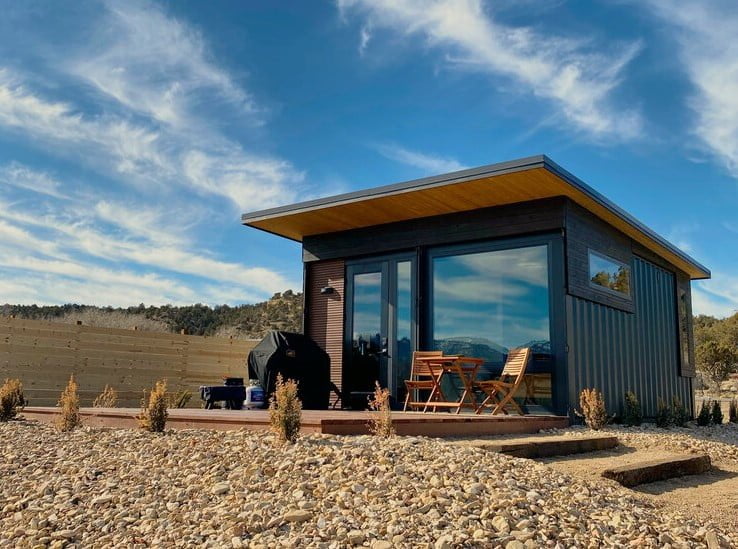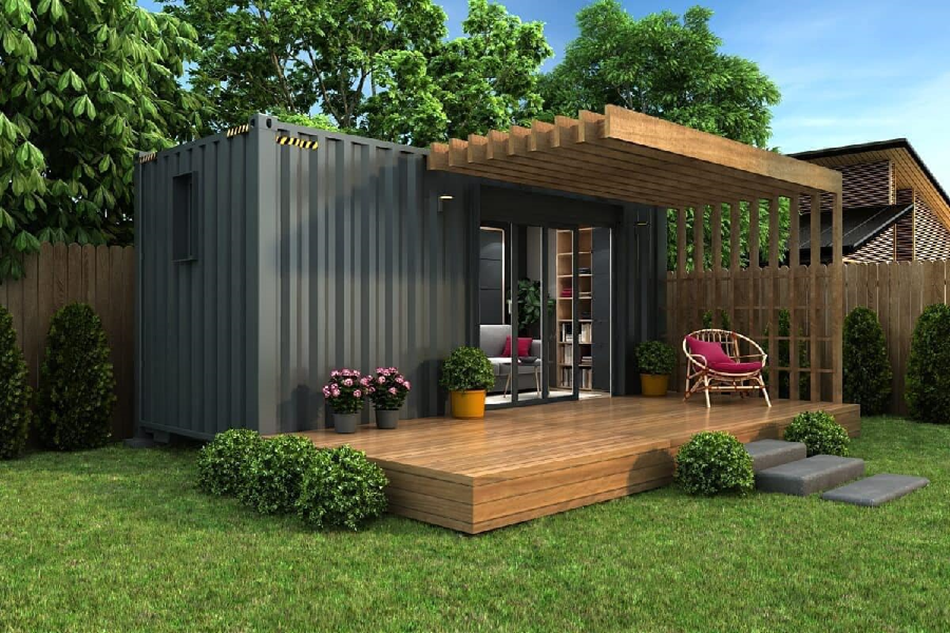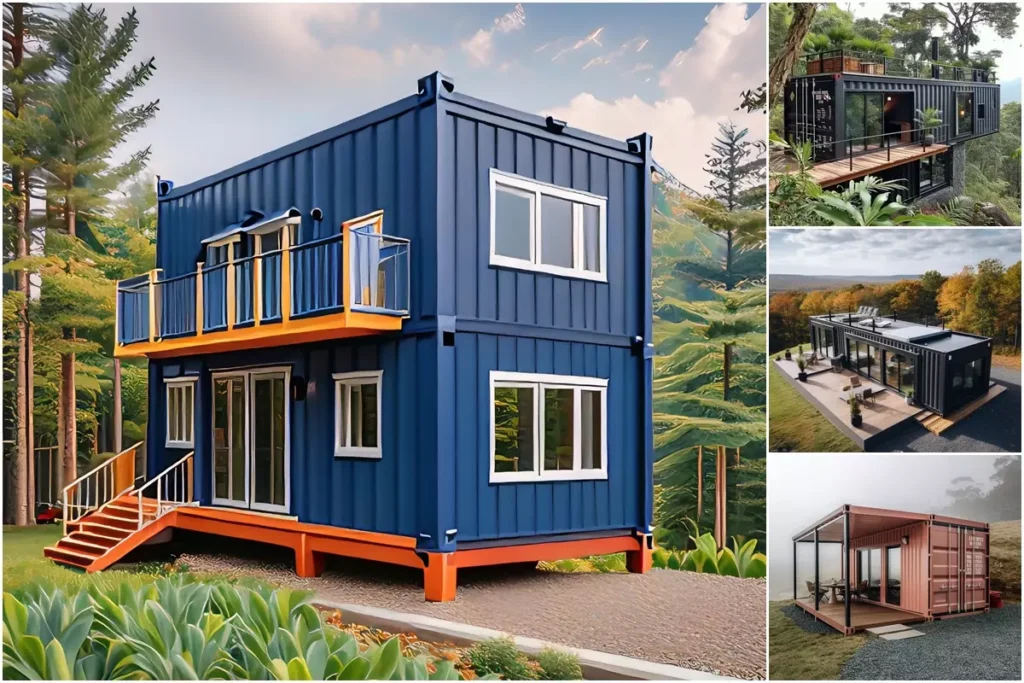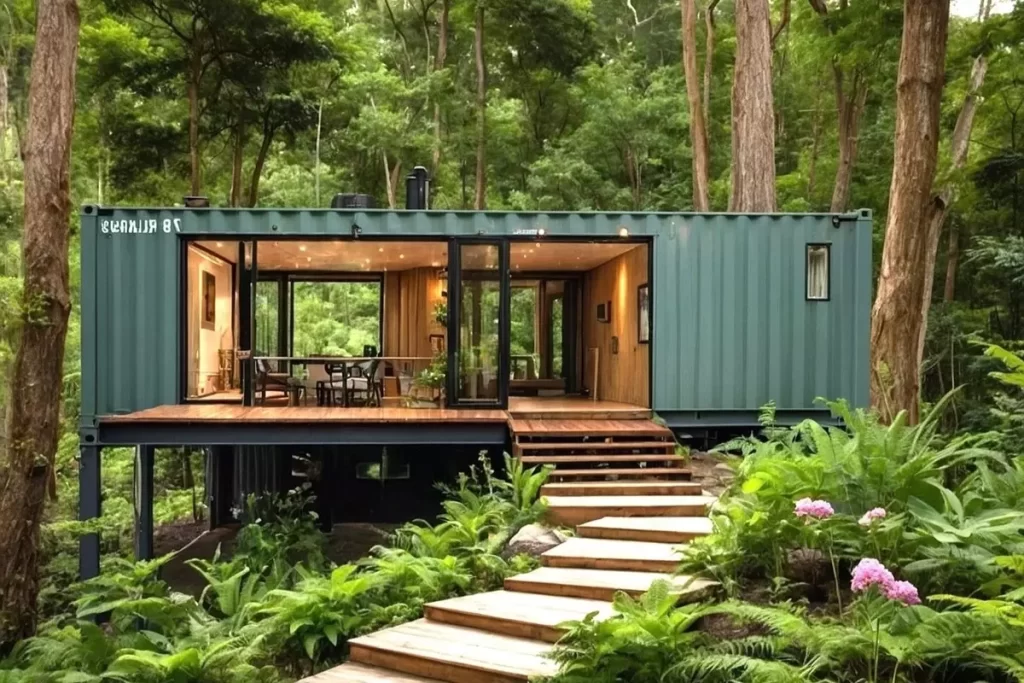
Container homes offer sustainable and economical housing solutions that adapt to the dynamics of modern life. In this section, we aim to facilitate your decision-making process by providing detailed and clear answers to the most container home frequently asked questions (FAQ).
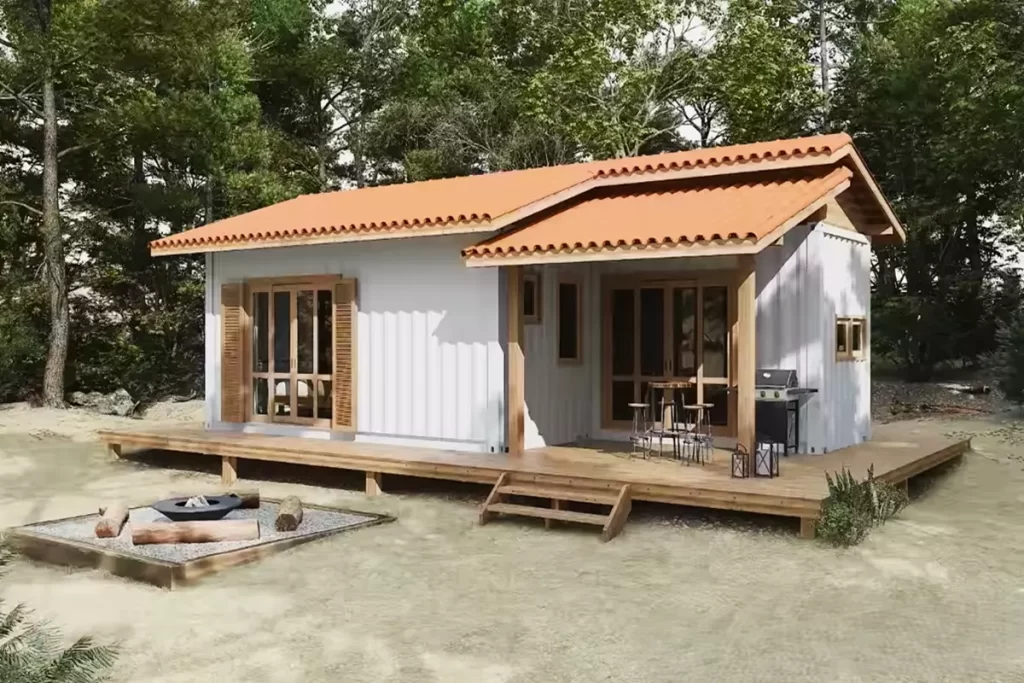
1. What Is a Container Home and Why Should It Be Preferred?
Question: What exactly are container homes, and what advantages do they offer compared to traditional housing?
Answer:
• Container homes are modern, modular structures created by transforming steel shipping containers into living spaces. They offer advantages such as quick installation, cost-effectiveness, portability, and sustainability.
• Compared to traditional houses, they are more eco-friendly due to the use of recycled materials and their energy efficiency potential. Their modular design also allows easy customization and expansion according to different needs and tastes.
2. How Are Container Home Prices Determined and How Can I Manage My Budget?
Question: What factors affect the cost of container homes, and what should I consider when choosing one within my budget?
Answer:
• Prices vary depending on factors such as the size and number of containers used, insulation quality, interior and exterior design details, smart home systems, transportation, and installation costs. For example, a standard living container will cost significantly less than a multi-room luxury container home.
• To manage your budget, first define your needs and priorities, then compare offers from different companies. Consider long-term costs such as energy efficiency. Remember, while high-quality insulation and durable materials may increase initial costs, they save money on operating expenses in the long run.
3. Are Permits and Zoning Approvals Required for Container Homes?
Question: What is the legal process for setting up a container home? Is it possible to place one on agricultural land?
Answer:
• Permits and zoning approvals depend on local regulations and the intended use of the structure. Generally, container homes used as permanent residences are subject to zoning laws and may require permits.
• Building permanent structures on agricultural land is usually prohibited and may result in penalties. However, in some cases, temporary or small structures for agricultural purposes may be allowed with special permits. Always consult your local municipality or provincial authority before proceeding. As of 2026, updates to zoning laws have made this issue even more sensitive.
4. How Is Insulation and Thermal Comfort Achieved in Container Homes?
Question: Is it possible to keep container homes warm in winter and cool in summer? How can condensation (“container rain”) be prevented?
Answer:
• With proper materials and professional installation, container homes can achieve excellent insulation and thermal comfort, sometimes even outperforming traditional houses. Materials such as high-density rock wool, fiberglass, and polyurethane foam minimize thermal bridges and improve energy efficiency.
• Condensation issues arise from poor insulation and ventilation. Solutions include vapor barriers, sufficient insulation thickness, and effective ventilation systems. Smart humidity sensors and automated ventilation systems also provide modern solutions.
5. What Is the Lifespan and Durability of Container Homes?
Question: How long do container homes last, and how safe are they against natural disasters?
Answer:
• Thanks to their steel structure, container homes are highly durable and can last 50 years or more with proper maintenance and insulation renewal. Anti-rust coatings and protective paints extend their lifespan.
• Built to international shipping standards, containers are resistant to wind and earthquakes. Their flexible and lightweight design can even be advantageous in seismic regions compared to concrete structures. Durability, however, depends on material quality and construction standards.
6. What Design and Customization Options Are Available for Container Homes?
Question: How can container homes be customized to suit personal preferences and needs? Are different models and sizes available?
Answer:
• Their modular nature allows limitless design possibilities. A single container can be turned into a minimalist living space, or multiple containers can be combined into spacious, multi-story structures. Interior finishes such as walls, flooring, kitchens, and bathrooms can be fully customized.
• Additions like large glass panels, terraces, and rooftop gardens enhance aesthetics and functionality. Options range from portable “tiny house” models to permanent luxury residences. Smart home integration enables remote control of lighting, heating, security, and entertainment systems.
7. How Is Installation and Ground Preparation Done for Container Homes?
Question: How long does the installation process take, and what should be considered for ground preparation?
Answer:
• Installation is much faster than traditional construction. Factory-prepared modules can be delivered and assembled within days or weeks, depending on project complexity.
• The ground must be level, stable, and properly aligned. Options include concrete foundations, raised supports, or steel platforms. A soil survey should determine the most suitable foundation system. Utility connections for water and electricity should also be planned during ground preparation.
8. Are Container Homes Eco-Friendly and What Are Their Contributions to Sustainability?
Question: How do container homes contribute to sustainability, and what is their environmental impact?
Answer:
• Container homes are highly sustainable. Repurposing unused shipping containers is a strong example of recycling, reducing the need for new materials and energy consumption. Their modular construction minimizes waste.
• They typically have a small footprint and require less energy for heating and cooling. Renewable energy and water systems such as solar panels, rainwater harvesting, and greywater recycling can be easily integrated. These features make container homes an attractive choice for eco-conscious individuals and those pursuing sustainable lifestyles.
Click here for more information about container homes.
We would be very happy if you share your new ideas with us.
Don’t forget to check out and share great ideas about Trend House Designs. Thanks!
↓↓ Check Out Other Fascinating Trending Home Stories ↓↓
- Happy Valley Wooden Camping Experience: Discover Charming Rustic Living
- Ultra Modern Looking Glass Lodge: A Modern Sustainable Living Experience in the Woods
- 40 m2 Hanging Container Villa Project: Two-Story Modern Minimalist Living Space for Rent
- Living in the Heart of Nature: Your Dream Treehouse Can Become a Reality
- 20m2 Mobile Tiny House Hazel Model: The Most Beautiful Tiny House of 2026
↓↓↓ For More Content ↓↓↓
Keywords: house designs, container house, cozy homes, minimalist living, small cabins, tiny house, cozy tiny house, tiny house projects, portable tiny house, affordable small homes, off-grid tiny house, tiny house plans, minimalist living space, compact home design, DIY home building ideas.